AuthorityIdentifies the issuing power. The authority can be "pretended" when the name or the portrait of X is on the coin but he/she was not the issuing power. It can also be "uncertain" when there is no mention of X on the coin but he/she was the issuing power according to the historical sources:
Chronology
FromIdentifies the initial date in a range assigned in a numismatic context. 400 BCE toIdentifies the final date in a range assigned in a numismatic context.. 350 BCE
Classical 480-323 BCperiodTime period of the numismatic object.
Physical description
MetalThe physical material (usually metal) from which an object is made.: Silver
WeightWeight of the numismatic object (in grams).in grams: 7.817.81 g <br />7,810 mg <br />
DenominationTerm indicating the value of a numismatic object. Examples: tetradrachm, chalkous, denarius.: nomos
AxisDescribes the directional relationship between the obverse and reverse of a numismatic object.: 66 mm <br />0.6 cm <br />
ObverseInscription or printing placed on the obverse.:
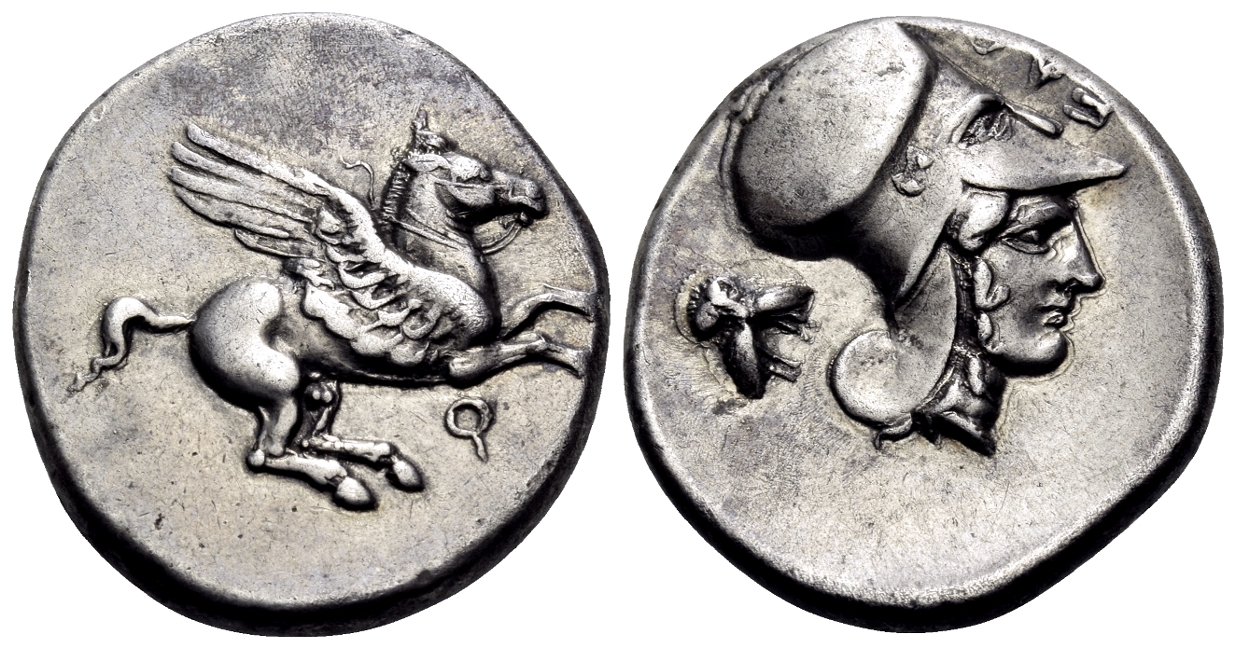
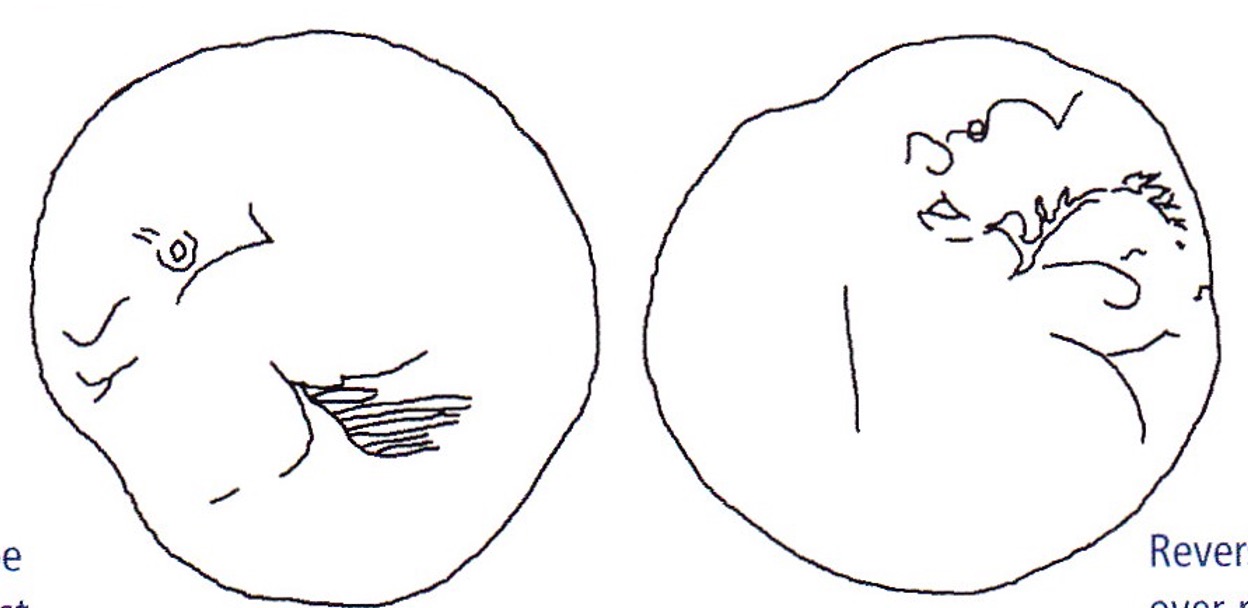
Ϙ (Greek) Pegasus flying right (visible on obverse: head, wing, belly line, Ϙ)
ReverseInscription or printing placed on the reverse.:
Head of Aphrodite right, wearing Corinthian helmet. Probably symbol behind or in front of head (visible on reverse: face of Aphrodite, eye, ear, back of helmet).
Mint and issuing power
MintIdentifies the place of manufacture or issue of a numismatic object.ᵖ:
AuthorityIdentifies the authority in whose name (explicitly or implicitly) a numismatic object was issued.ᵖ:
Chronology
FromIdentifies the initial date in a range assigned in a numismatic context. 400 BCE toIdentifies the final date in a range assigned in a numismatic context.. 350 BCE
Classical 480-323 BCperiodTime period of the numismatic object.
Physical description
DenominationTerm indicating the value of a numismatic object. Examples: tetradrachm, chalkous, denarius.ᵖ:
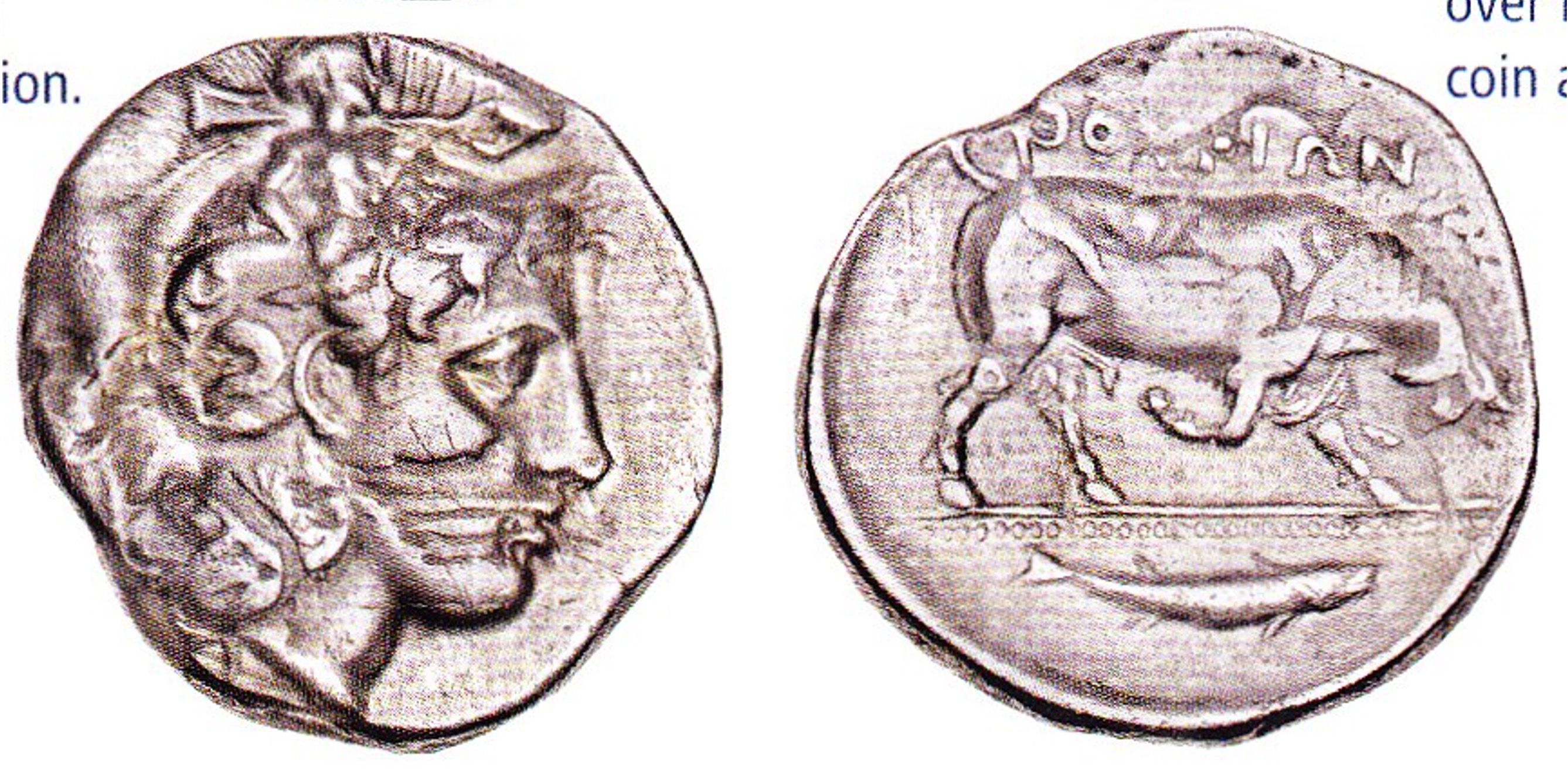


.jpg)
 periodTime period of the numismatic object.